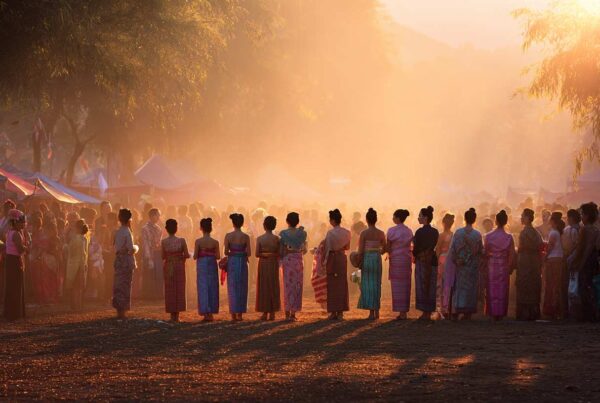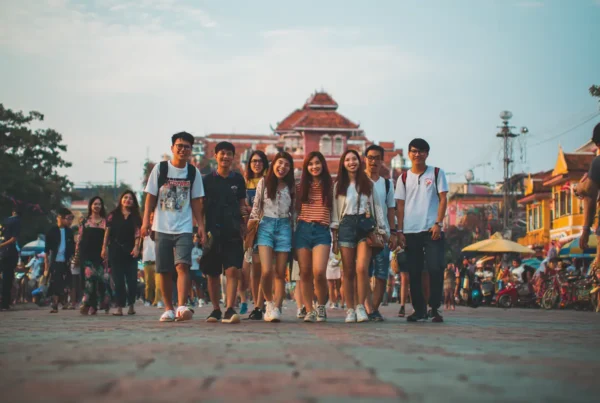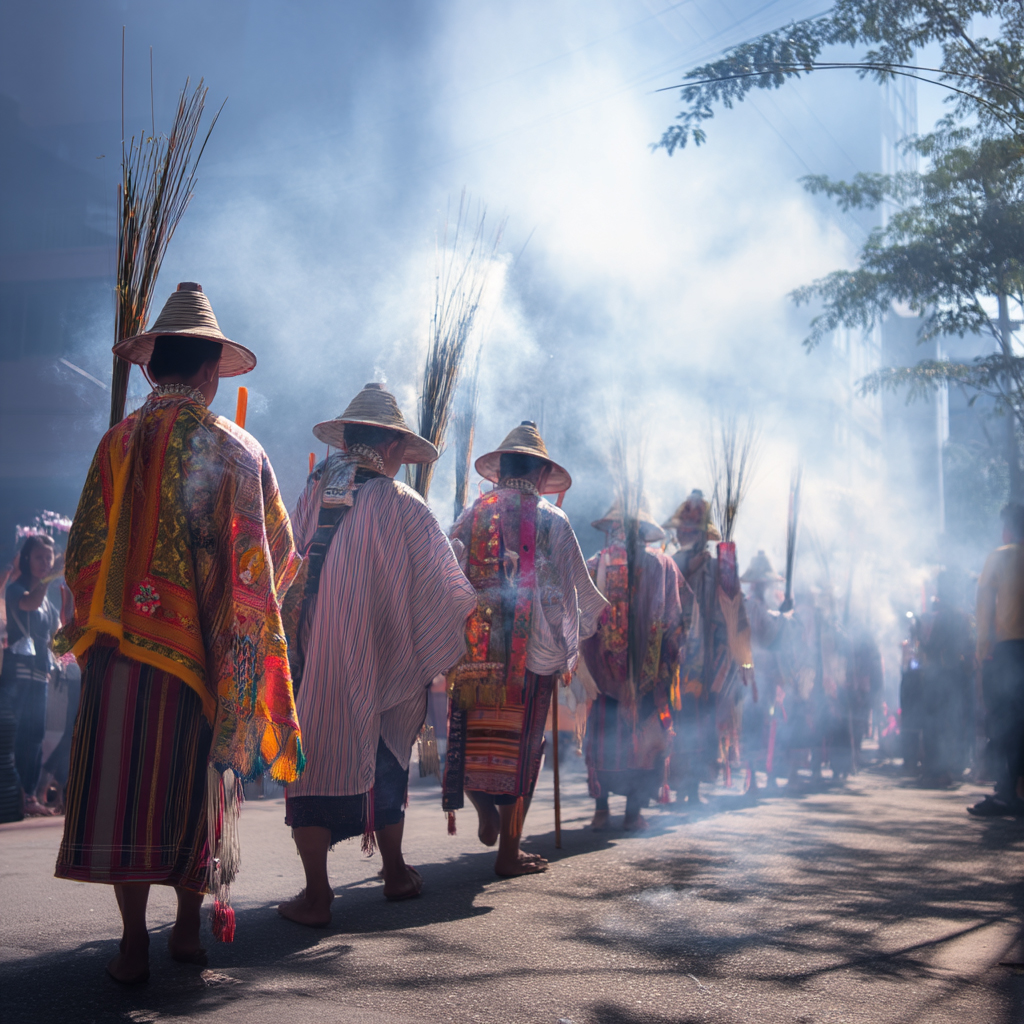

Chiang Mai is often described as the cultural heart of Northern Thailand, and nowhere is this more evident than in the city’s festivals and daily traditions. The former capital of the Lanna Kingdom, Chiang Mai continues to honor rituals that date back centuries while blending them into the rhythm of modern life. From spectacular celebrations that light up the skies to the quiet act of offering alms at dawn, these traditions reveal how the past lives on in the present. For visitors, experiencing these events provides a deeper understanding of what it means to live Lanna.

Songkran Festival: Water, Merit, and Renewal
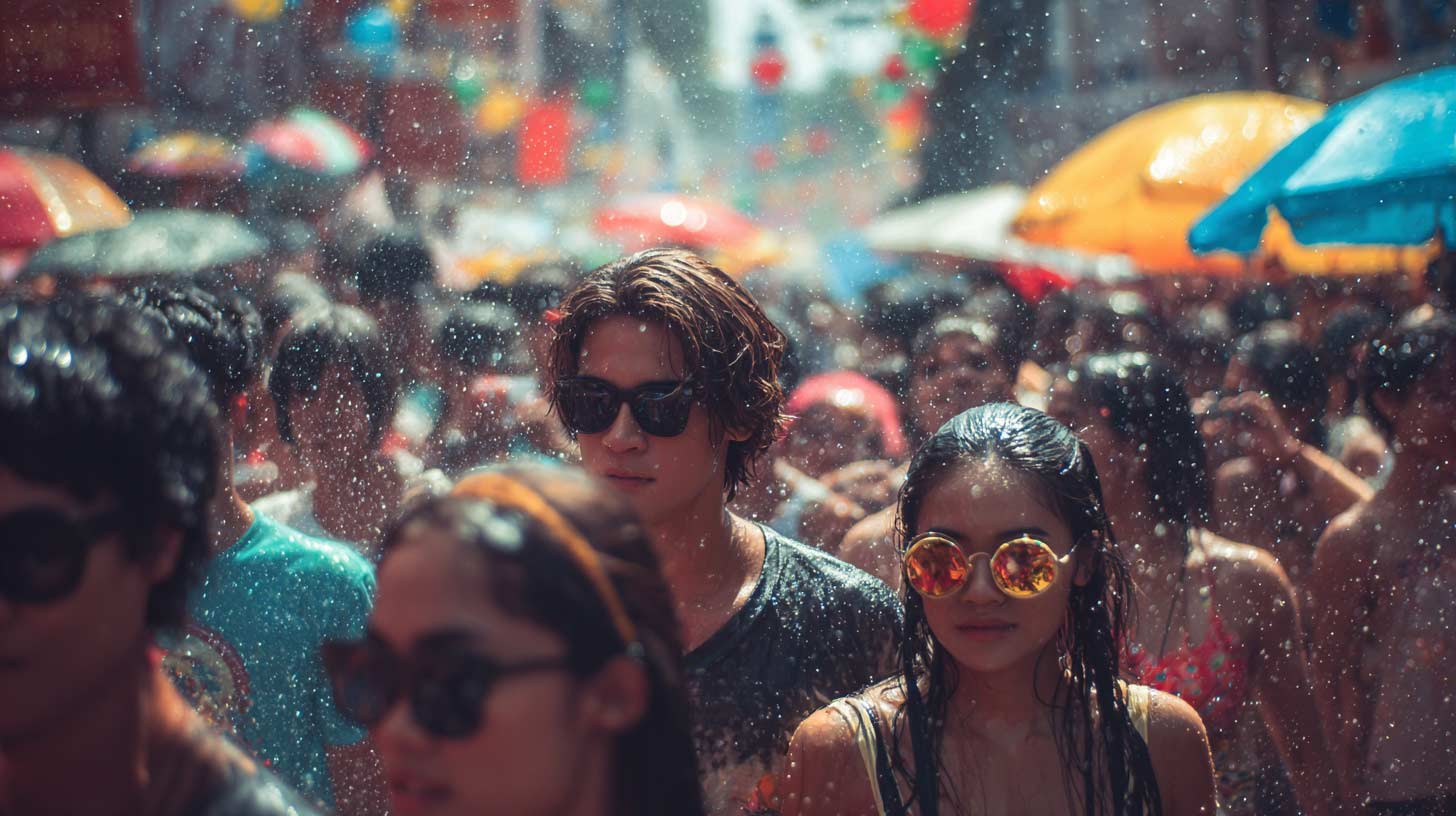
Songkran, held every April, is Chiang Mai’s most famous festival and the highlight of the Thai New Year. It is a time of renewal, when families reunite, homes are cleaned, and temples become centers of merit-making. In Chiang Mai, Songkran stretches over several days and transforms the city into a vibrant stage of both solemn ritual and joyous play.
In the mornings, locals visit temples such as Wat Phra Singh and Wat Chedi Luang to offer food to monks, bathe Buddha images with scented water, and pour water gently over the hands of elders as a sign of respect. Later in the day, the city erupts into playful water fights along the moat and side streets. Buckets, water guns, and hoses turn Chiang Mai into a splash-filled carnival. While the playful side is famous, it is important to remember that Songkran’s roots are in purification and respect. Every splash represents washing away the old year and welcoming the new with joy and clarity.
Yi Peng and Loy Krathong: Lanterns of Light and Letting Go
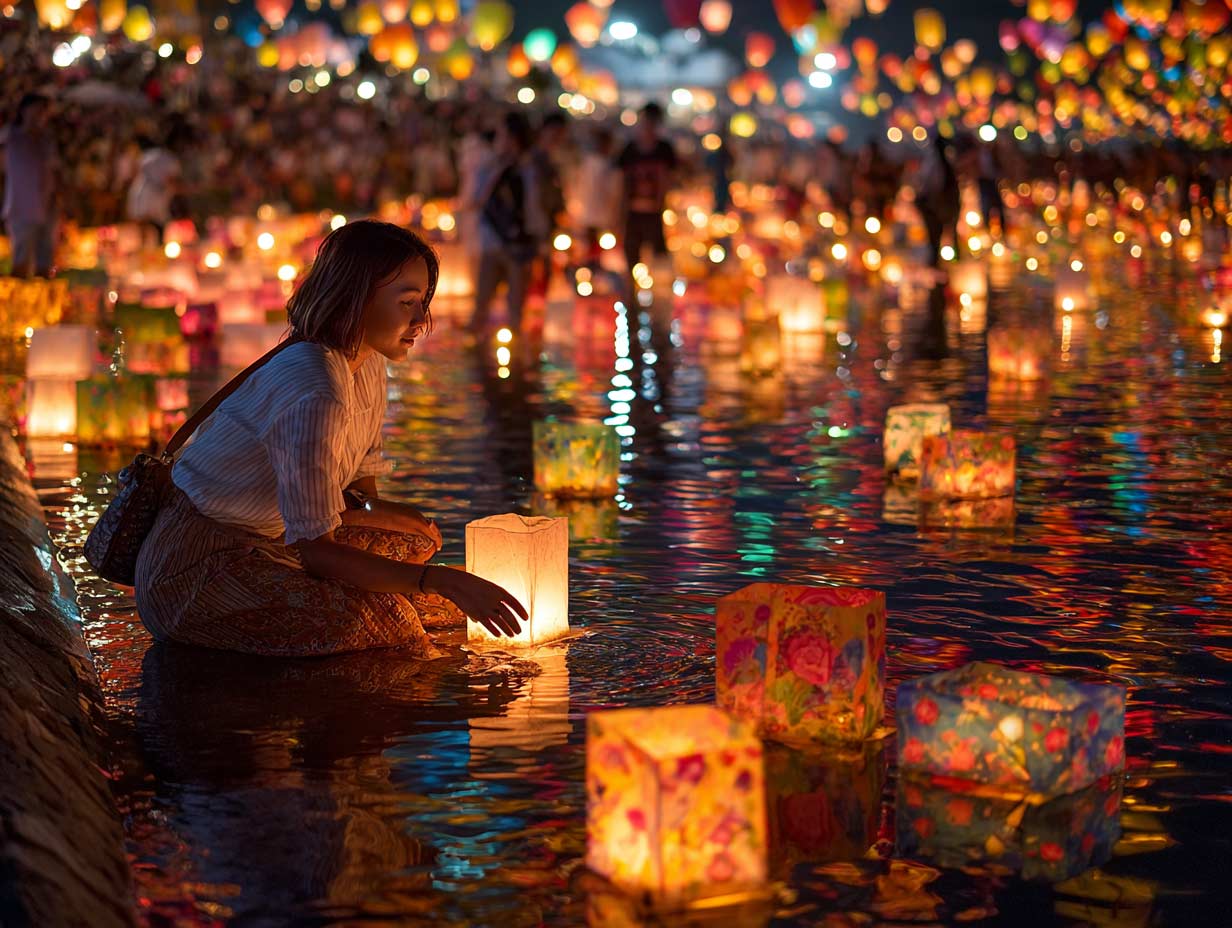
Every November, Chiang Mai hosts its most visually striking celebration: the twin festivals of Yi Peng and Loy Krathong. These events coincide with the full moon of the 12th lunar month and are dedicated to light, renewal, and gratitude.
Yi Peng is unique to Northern Thailand and involves releasing thousands of paper lanterns into the night sky. The sight of glowing lanterns floating upward is unforgettable, symbolizing letting go of misfortune and sending wishes into the heavens. Major release points include the Ping River banks and temple grounds across the city. The most iconic images are captured near Tha Phae Gate, where streets are decorated with hanging lanterns and traditional parades.
Loy Krathong complements Yi Peng and involves floating small lotus-shaped vessels, or krathongs, on rivers and ponds. Decorated with candles, incense, and flowers, they are released on the Ping River, creating a shimmering current of light. Together, Yi Peng and Loy Krathong create an atmosphere that is both celebratory and reflective, blending communal joy with personal prayer. For many, this festival embodies the essence of Chiang Mai: beauty, spirituality, and shared tradition.

Chiang Mai Flower Festival: A Garden on Parade
Each February, the city blooms into a riot of color during the Chiang Mai Flower Festival. The event celebrates the region’s horticultural heritage, showcasing orchids, chrysanthemums, and elaborate floral sculptures. The centerpiece is a grand parade with floats covered entirely in blossoms, accompanied by traditional Lanna dancers in silk costumes.
Along Changsila Road and at Suan Buak Hat Park, exhibitions display award-winning flowers, while music and food stalls create a festive atmosphere. The Flower Festival reflects Chiang Mai’s identity as a fertile valley where agriculture and beauty intertwine. It is less spiritual than Songkran or Yi Peng, but it embodies the city’s creativity and community pride, reminding visitors that nature itself is central to the Lanna way of life.
Inthakhin City Pillar Festival: Honoring Chiang Mai’s Heart
Another key event in the cultural calendar is the Inthakhin City Pillar Festival, usually held in May or June at Wat Chedi Luang. This festival honors the city pillar, believed to be the spiritual heart of Chiang Mai. For several days, locals bring offerings of flowers, candles, and incense, creating a sea of devotion that fills the temple grounds.
Music, dance, and food stalls surround the religious ceremonies, creating a balance of reverence and festivity. The Inthakhin Festival is less known among international tourists but deeply cherished by locals, making it a valuable opportunity to witness Chiang Mai’s spiritual core without the large crowds of other festivals.
Other Seasonal Celebrations
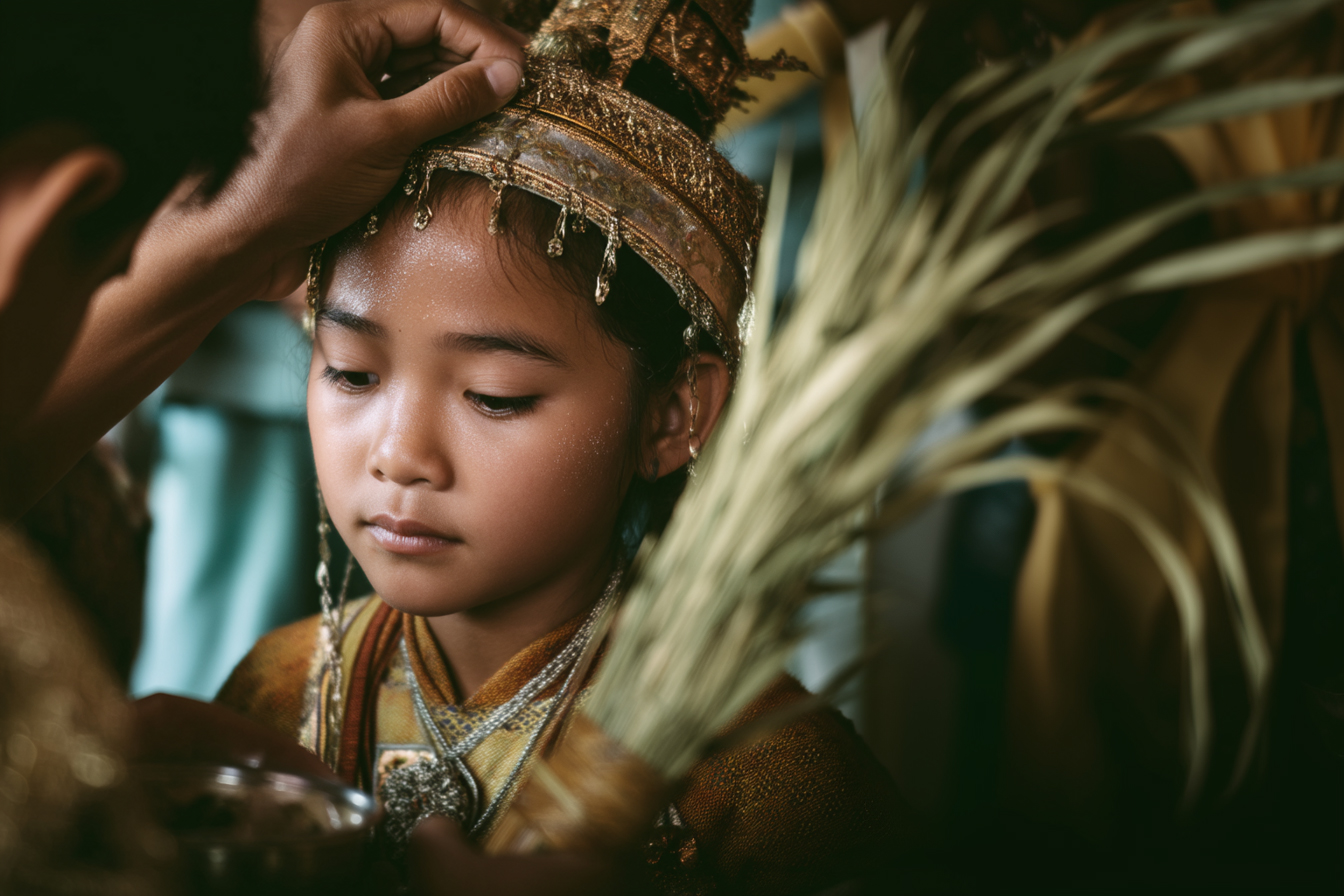
Throughout the year, Chiang Mai observes smaller yet significant events tied to Buddhist calendars and agricultural cycles. Visakha Bucha in May commemorates the birth, enlightenment, and passing of the Buddha, often marked by candlelit processions at Wat Phra That Doi Suthep. In November, Ok Phansa marks the end of Buddhist Lent, celebrated with temple fairs and offerings. Many of these festivals follow the lunar calendar, so dates vary each year, but they always draw the community together in acts of faith and festivity.

Chiang Mai Daily Life
Festivals are the peaks of Chiang Mai’s cultural life, but the city’s true soul is found in daily routines that continue quietly throughout the year. These small acts create the fabric of living Lanna.
Morning Almsgiving
At dawn, lines of orange-robed monks walk the streets collecting alms from laypeople. Locals place rice, fruit, or packaged goods into the monks’ bowls, an act of generosity known as tam boon. Observing this simple ritual reveals how Buddhism shapes daily life and how generosity underpins community bonds.
Temple Fairs and Markets
Local temple fairs occur regularly, especially during merit-making days. These events combine food stalls, games, and traditional music with religious observances. Similarly, markets like Warorot Market and the Sunday Walking Street serve as weekly cultural gatherings, blending commerce with community. Here, Chiang Mai residents shop, socialize, and sustain crafts such as weaving, silverwork, and woodcarving.
Community Rhythms
From the ringing of temple bells to seasonal rice planting and harvest rituals in surrounding villages, Chiang Mai’s daily life follows a rhythm deeply connected to land and belief. For travelers, engaging with these quiet moments offers balance to the spectacle of major festivals. They reveal that living Lanna is as much about everyday continuity as it is about annual celebrations.

Practical Tips for Festivals and Daily Life
- Plan ahead: Festival dates follow lunar calendars and may change yearly. Confirm schedules before booking travel.
- Dress respectfully: When attending temple events, cover shoulders and knees, and remove shoes before entering sacred spaces.
- Participate mindfully: Splash gently during Songkran, release lanterns safely during Yi Peng, and follow local customs at almsgiving.
- Support artisans: Purchase handwoven textiles, handmade lanterns, or floral crafts directly from local vendors to sustain traditions.
- Balance your experience: Combine festival highlights with daily rituals like morning markets to gain a holistic view of Lanna culture.
Conclusion: Living Lanna in the Present
Chiang Mai’s cultural calendar is a vivid illustration of how heritage continues to thrive. The exuberant water play of Songkran, the glowing skies of Yi Peng, the floral artistry of the Flower Festival, and the spiritual devotion of Inthakhin all express the legacy of the Lanna Kingdom in unique ways. Yet beyond these events, the city’s daily life, monks collecting alms, temple bells ringing, markets bustling, ensures that tradition is not only remembered but lived.
For visitors, joining in respectfully offers a chance to experience more than a spectacle. It provides a window into how Chiang Mai honors its past while embracing the present. To live Lanna, even for a short time, is to find joy in both grand celebrations and quiet rituals, a rhythm of life that continues to define Northern Thailand’s cultural heart.