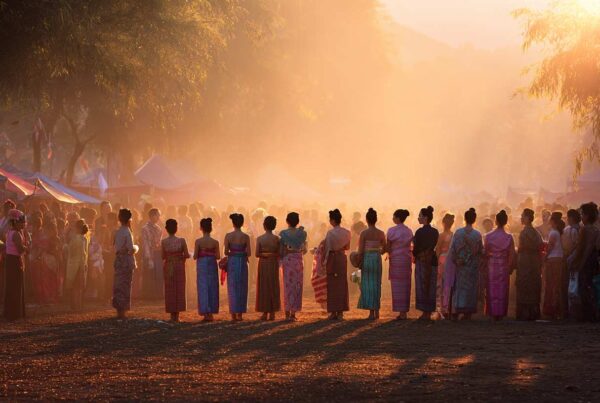

Living in Chiang Mai on an Education Visa offers more than time to study Thai language or culture. It creates the space to build a balanced lifestyle filled with community, creativity, and exploration. The slower rhythm of the city, its welcoming neighborhoods, and affordable living make it easy to combine learning with hobbies, exercise, and relaxation. For many students, life here becomes a blend of study and discovery, where every day brings new ways to experience the city.
Building a Routine in Chiang Mai
Most students on Education Visas follow a steady rhythm that combines study with personal time. Mornings often begin with language classes, followed by a relaxed lunch at a nearby café or food court. Afternoons are perfect for self-study, light work, or exploring a new neighborhood. Evenings are social, with community events, yoga classes, or casual dinners with friends.
☀️
Chiang Mai’s layout supports this balance. Distances are short, transport is inexpensive, and every district offers places to unwind. A typical day might include a morning class near the Old City, lunch at Toffee Roasters in Nimman, and an evening walk along the Ping River. The mix of study and leisure comes naturally in this setting.
Creative and Active Hobbies
Chiang Mai has long been a magnet for creative people, and that energy inspires many Education Visa students to explore new hobbies. The city’s studios, workshops, and fitness centers offer options for nearly every interest.
Yoga and Fitness
Morning classes at these studios fit perfectly into a student’s schedule, offering a way to stay active before or after lessons.
🤸
- Freedom Yoga – a modern studio near the Old City offering vinyasa and gentle flow classes.
- The Yoga Tree – surrounded by gardens and known for meditation and community events.
- CrossFit Chiang Mai – popular with expats looking for structured training and friendly motivation.
Art, Crafts, and Design
These spaces give students a chance to experience Thai creativity firsthand and learn traditional skills beyond language.
🧑🎨
- Kalm Village – a creative complex with textile, pottery, and design workshops.
- Baan Kang Wat – a craft village where artists sell handmade goods and host weekend art sessions.
- Studio Naenna – specializing in indigo dyeing and traditional Lanna weaving techniques.
Music, Dance, and Social Activities
Evenings in Chiang Mai often bring live music, dance, or cultural gatherings. Students can unwind at North Gate Jazz Co-Op for local performances, join a salsa evening at One Nimman, or attend open-mic nights at Thapae East. These events attract an easy mix of locals, expats, and travelers, making it simple to connect through shared interests.
Weekend Adventures for Students
Weekends are when most Education Visa students explore beyond the city. Short trips provide a refreshing change of scenery without needing to plan far in advance.
🌄
- Huay Tung Tao Lake – a peaceful spot for swimming, cycling, or enjoying bamboo huts by the water.
- Doi Suthep – the iconic mountain temple that rewards early morning visits with views over the city.
- Mae Kampong – a cool hillside village known for its forest café trails and community homestays.
For longer weekends, students often travel north to Chiang Dao or south toward the mountain roads of Samoeng Loop. These short getaways balance study with time in nature and fit easily into a student budget. More ideas can be found in Beyond the City: Nature Adventures Around Chiang Mai.
Food, Coffee, and Study Spots
Chiang Mai’s café culture naturally blends with student life. Many learners spend afternoons reviewing vocabulary at places like Graph Café, Toffee Roasters, or Akha Ama. These cafés have reliable Wi-Fi, calm atmospheres, and are scattered across the Old City and Nimman.
For food, the choices are endless. After class, students gather at Chiang Mai Gate Market for khao soi or grilled skewers, while others head to Soi 9 noodles near Nimman for a quick lunch. Evenings by the Ping River bring a calmer mood, with street stalls and small restaurants perfect for conversation and practice in Thai.
Community and Connection
👥
Meeting people in Chiang Mai happens naturally. Weekly language exchanges, open workshops, and casual events give newcomers an easy way to join in. The One Nimman Language Exchange on Wednesday evenings is one of the most popular spots to meet fellow learners. Other gatherings include cultural workshops at Studio Naenna and volunteer events organized through Facebook community groups. These interactions are friendly and informal, and they help students gain confidence using Thai in everyday life.
Living Well on a Student Budget
🤑
Chiang Mai remains one of Southeast Asia’s most affordable cities for long-term living. Most Education Visa students manage comfortably on a monthly budget between 25,000 and 35,000 THB, which includes rent, food, and leisure. Affordable gyms, community workshops, and free temple events make it possible to live well without spending much. You can find more details in The Real Cost of Studying and Living in Chiang Mai.
✨ Need Help Changing to an Education Visa?
✔️ Stay in CNX assists with every step of your visa conversion in Chiang Mai.
✔️ Partnered with accredited schools and local authorities.
✔️ Focus on your studies while we handle the paperwork.
Balancing Study and Leisure
🌞
The best part of living in Chiang Mai as a student is the freedom to create your own rhythm. It is easy to stay consistent with studies while still enjoying free time. Morning meditation at Wat Suan Dok, a cycling session at Huay Kaew Arboretum, or a quiet evening at The Social Club coworking space can easily fit between study hours. The key is to pace yourself, explore slowly, and allow Chiang Mai to become your classroom as much as your home.
Even with these costs, total living expenses are far below those of other major study destinations in Asia. Many long-term students also combine study with part-time creative projects or remote work from cafés and coworking spaces.