
North of Chiang Mai, nestled at the foot of limestone mountains, lies Chiang Dao. Known locally as the “City of Stars,” this quiet town embodies the natural beauty and cultural depth of Northern Thailand. Its landscapes combine hot springs, waterfalls, caves, and forest temples with a sense of tranquility that feels far removed from city life. For those who seek an authentic experience of Lanna culture surrounded by pristine wilderness, Chiang Dao offers a perfect balance of discovery and reflection.
The Journey North
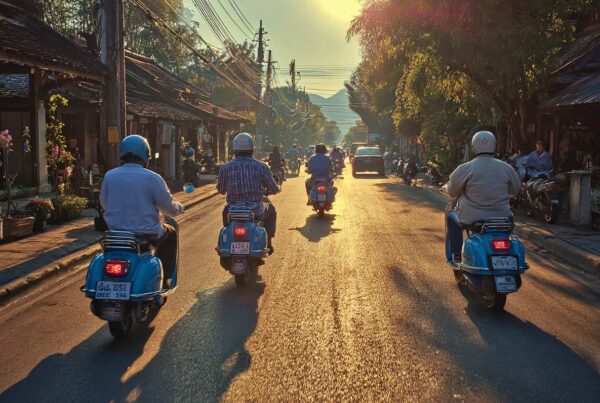
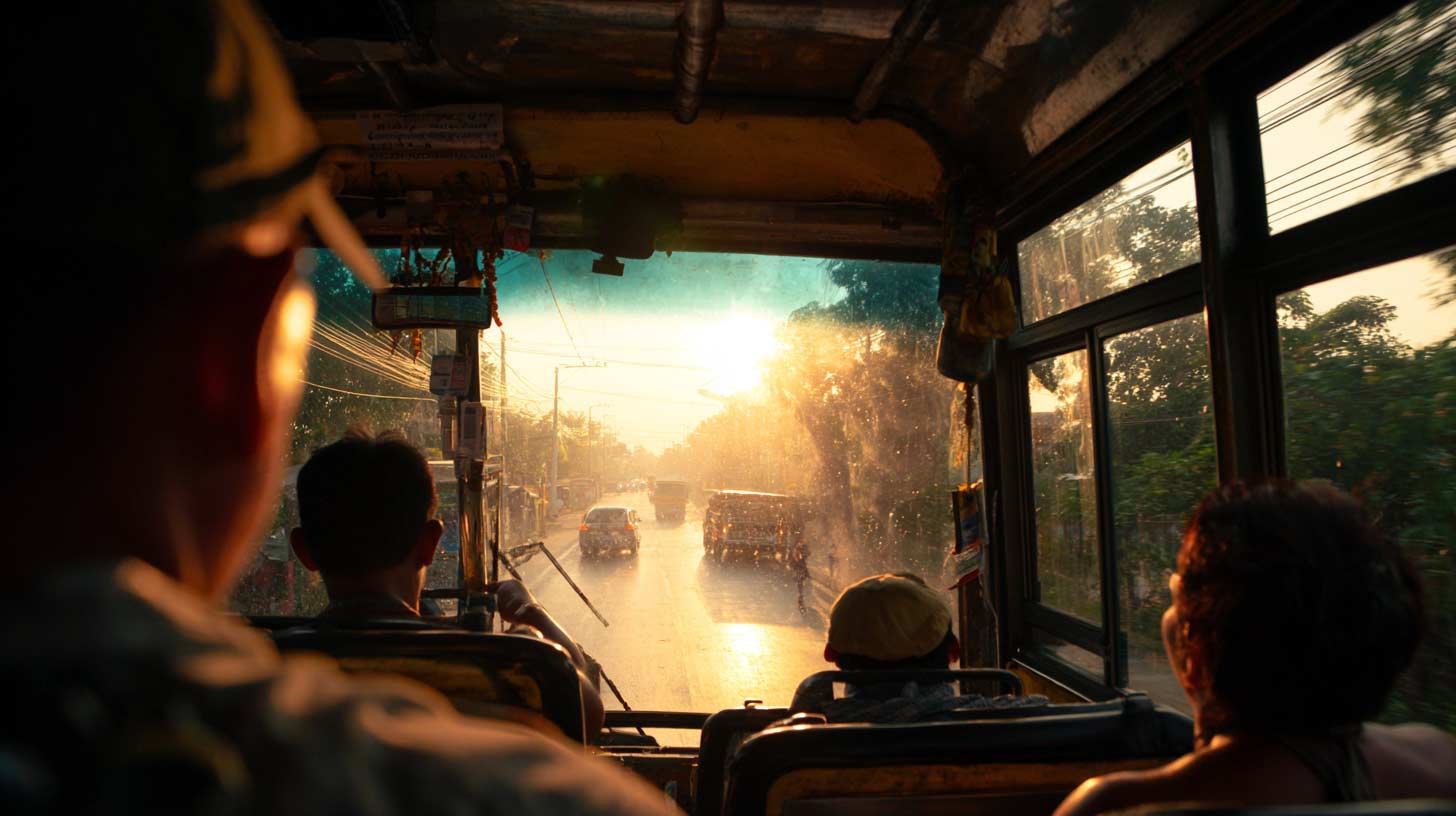
Traveling from Chiang Mai to Chiang Dao is straightforward, yet the journey itself is part of the experience. Buses depart regularly from Chang Phuak Bus Station, located on the northern edge of the Old Town. The ride, which takes just over an hour, passes through fields of rice paddies and orchards where fruit trees grow in neat rows. Along the way, glimpses of rural life appear: farmers tending crops, children riding bicycles to school, and roadside stalls selling seasonal produce.
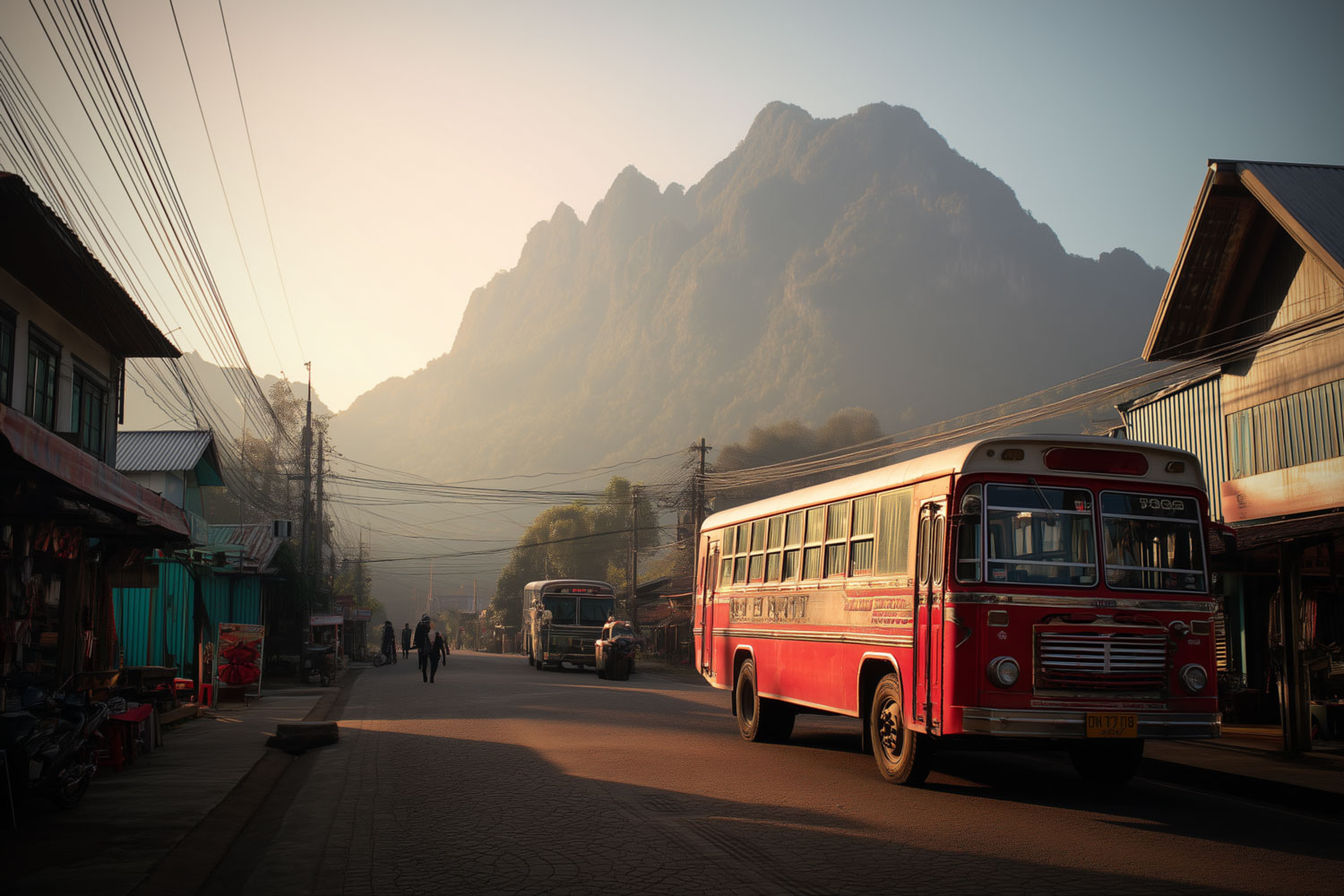
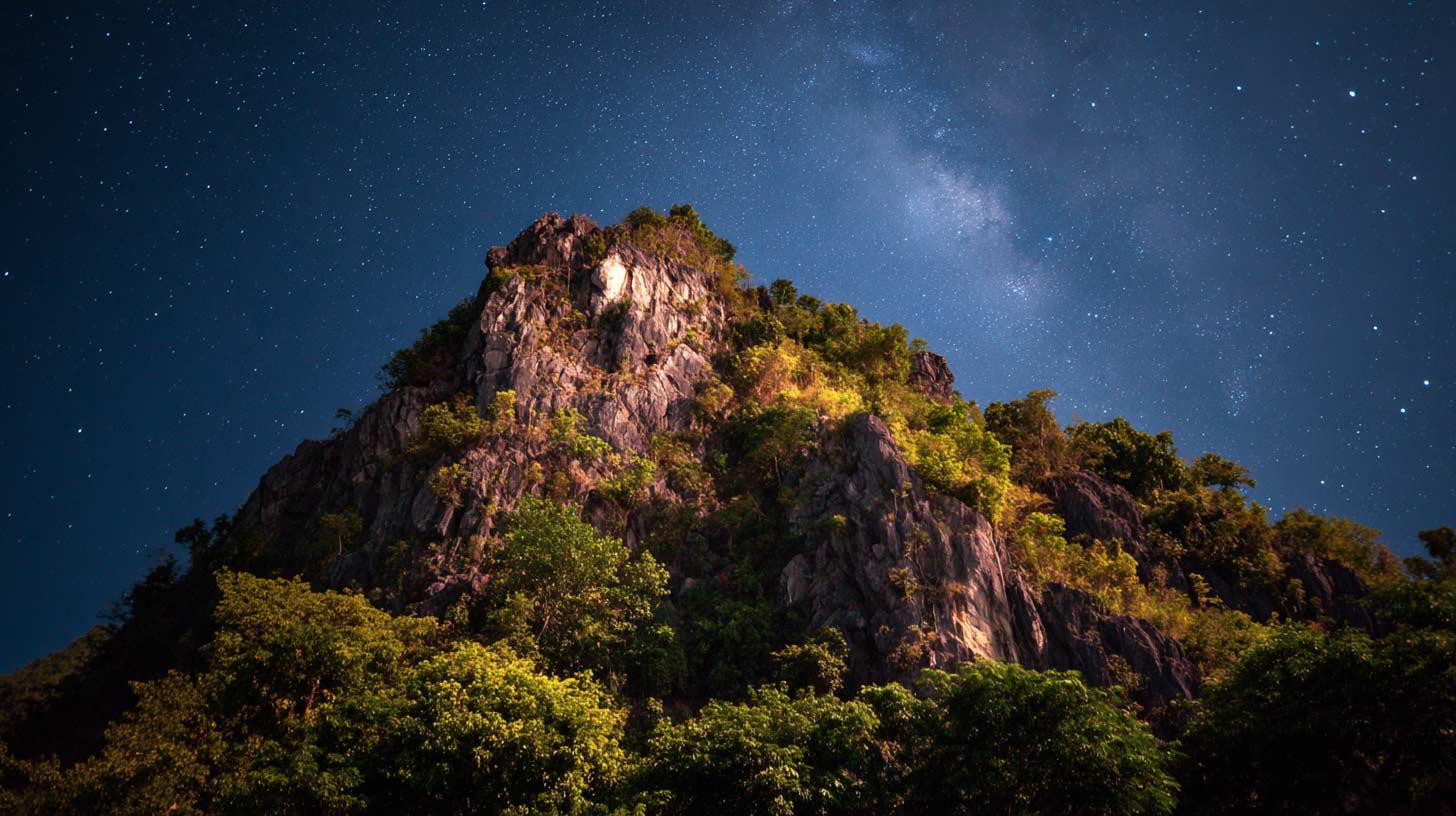
As the kilometers pass, the limestone cliffs of Doi Luang Chiang Dao gradually rise into view. Standing at 2,225 meters, it is the third highest mountain in Thailand and a dominant feature of the region. The mountain’s presence announces arrival into a different rhythm of life. Here, days are shaped by the natural environment, and nights reveal skies filled with stars.
Arrival and Atmosphere
Chiang Dao is not a large town, yet it carries a distinct charm. Guesthouses and small resorts are scattered across its valleys, often surrounded by gardens with views of the mountain. Many of these places are family-run, reflecting the warm hospitality for which Northern Thailand is known.
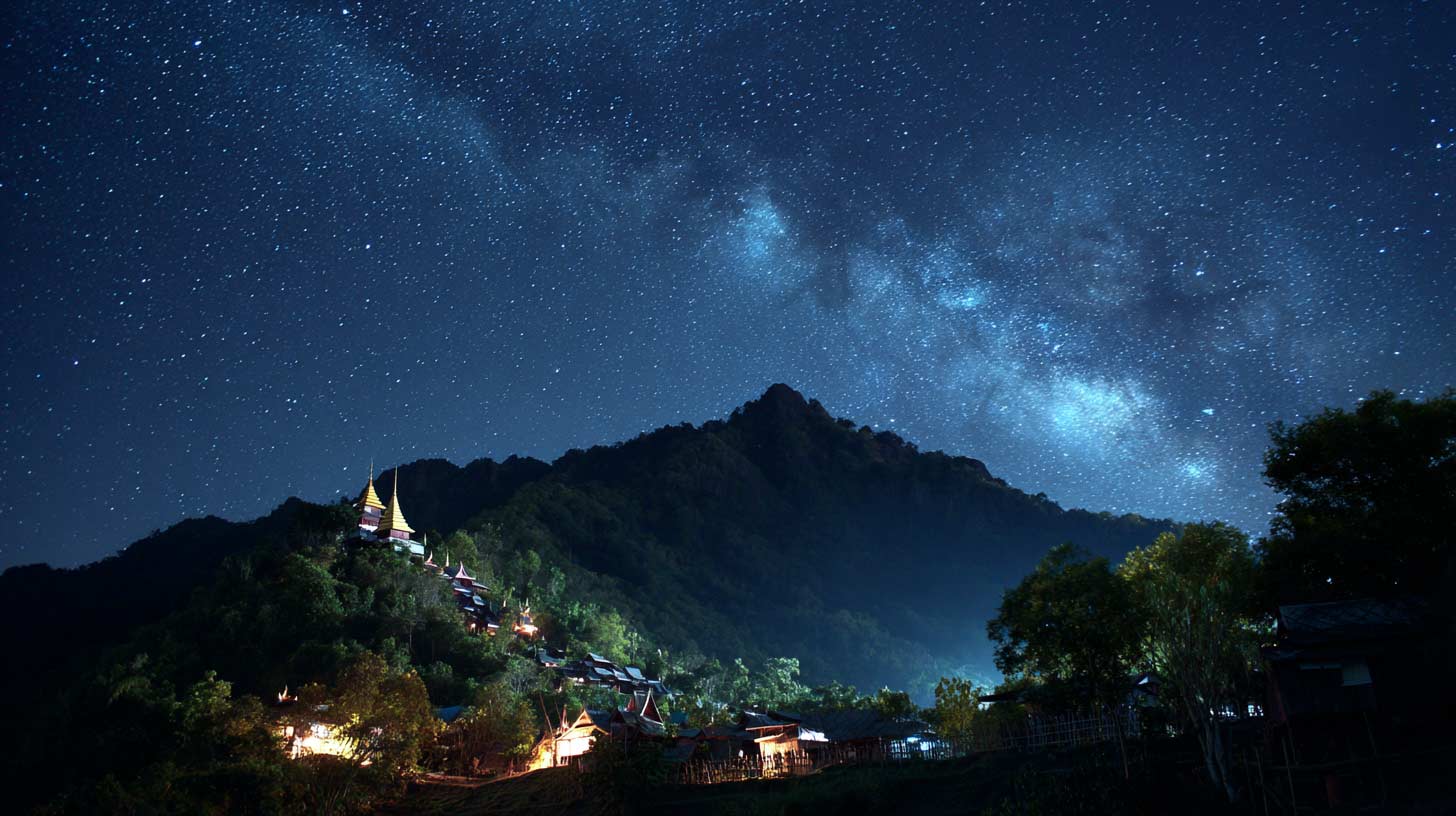
December is one of the best times to visit. Cool, crisp weather makes hiking and outdoor activities comfortable. The evenings are especially striking, with skies so clear that constellations appear as if painted across the horizon. This celestial beauty is what earned Chiang Dao its poetic nickname.
The cultural heartbeat of the town remains tied to the Lanna Kingdom, which once ruled much of Northern Thailand. Wooden houses with steep gabled roofs, temple spires rising above tree canopies, and local greetings such as “Sawasdee Jao” all reflect a heritage that continues to shape daily life.
A Taste of the North
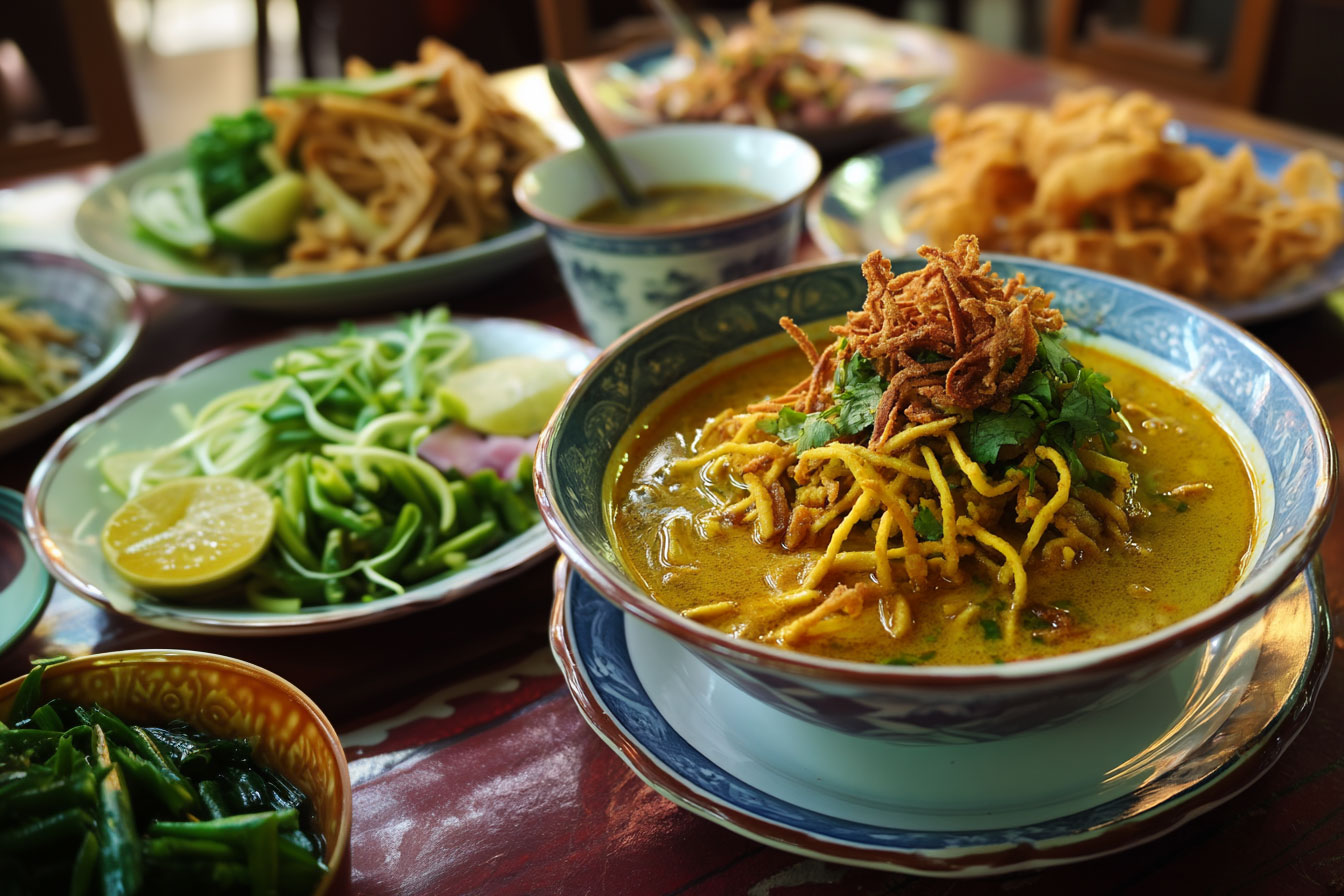
Food in Chiang Dao is an extension of the Northern Thai identity. Meals often include familiar dishes such as khao soi, the curry noodle soup now synonymous with Chiang Mai, as well as sai ua, the aromatic northern sausage. Sticky rice remains a staple, served with chili dips like nam prik noom or nam prik ong. Dining here is rarely formal. Many meals are enjoyed at small wooden tables in open-air settings, surrounded by mountain breezes.
Sharing these dishes connects visitors to the agricultural cycles of the region, because many ingredients come directly from surrounding farms and markets. The flavors are bold, often smoky or herbal, and rooted in traditions passed down through generations.
Pong Arng Hot Springs and Sri Sangwan Waterfall
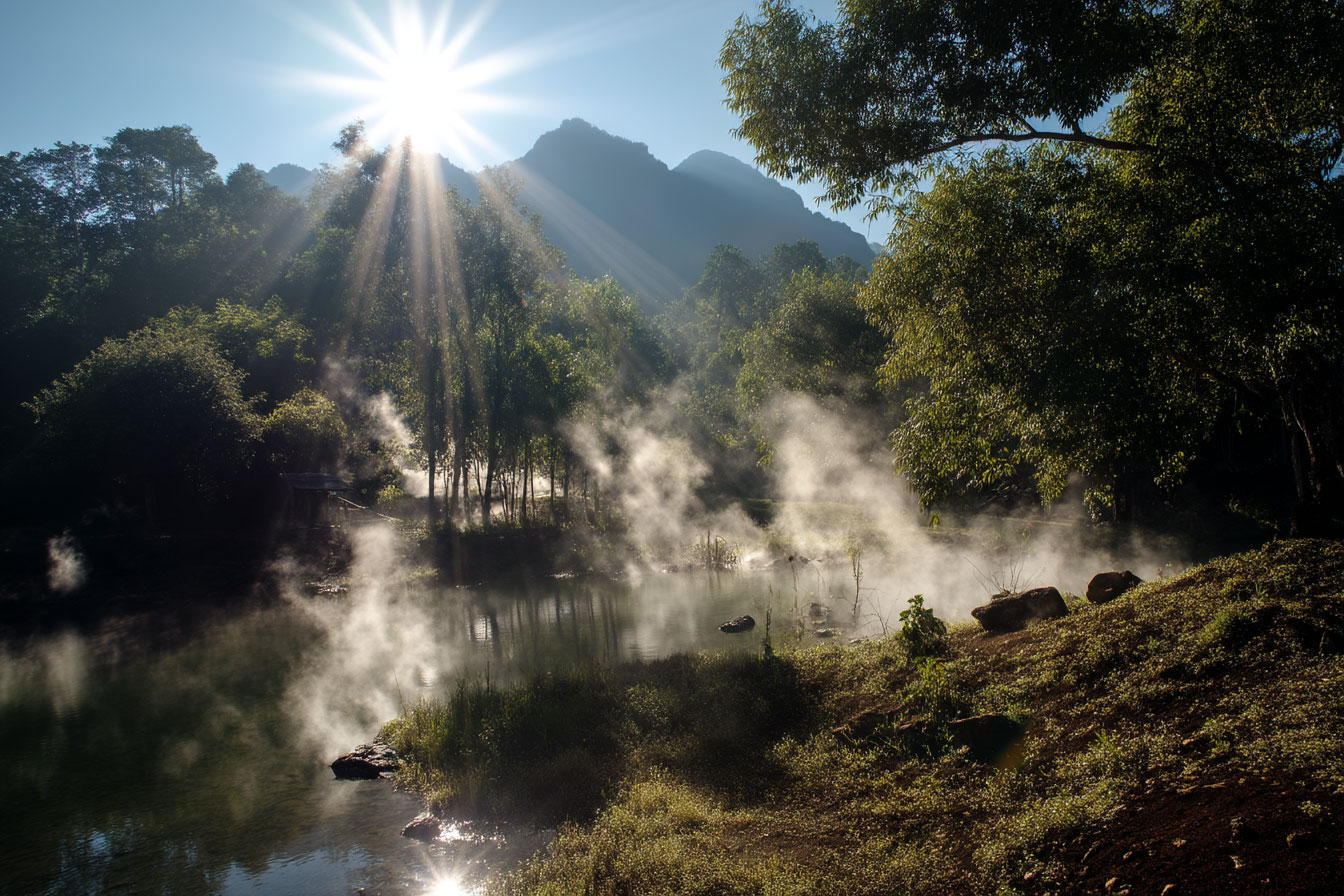
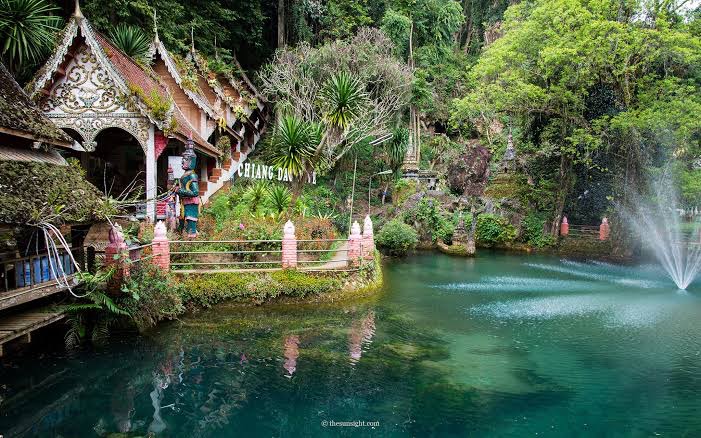
For relaxation, Chiang Dao offers natural hot springs tucked inside Pha Daeng National Park. Pong Arng Hot Springs are surrounded by dense jungle, where steam rises gently above pools of mineral-rich water. The springs average around 50 degrees Celsius, warm enough to soothe tired muscles after a day of exploring.
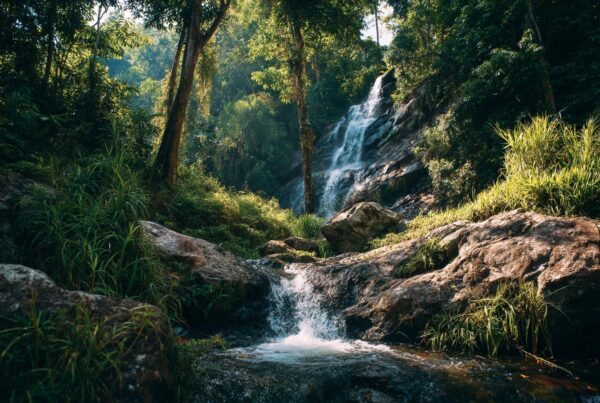
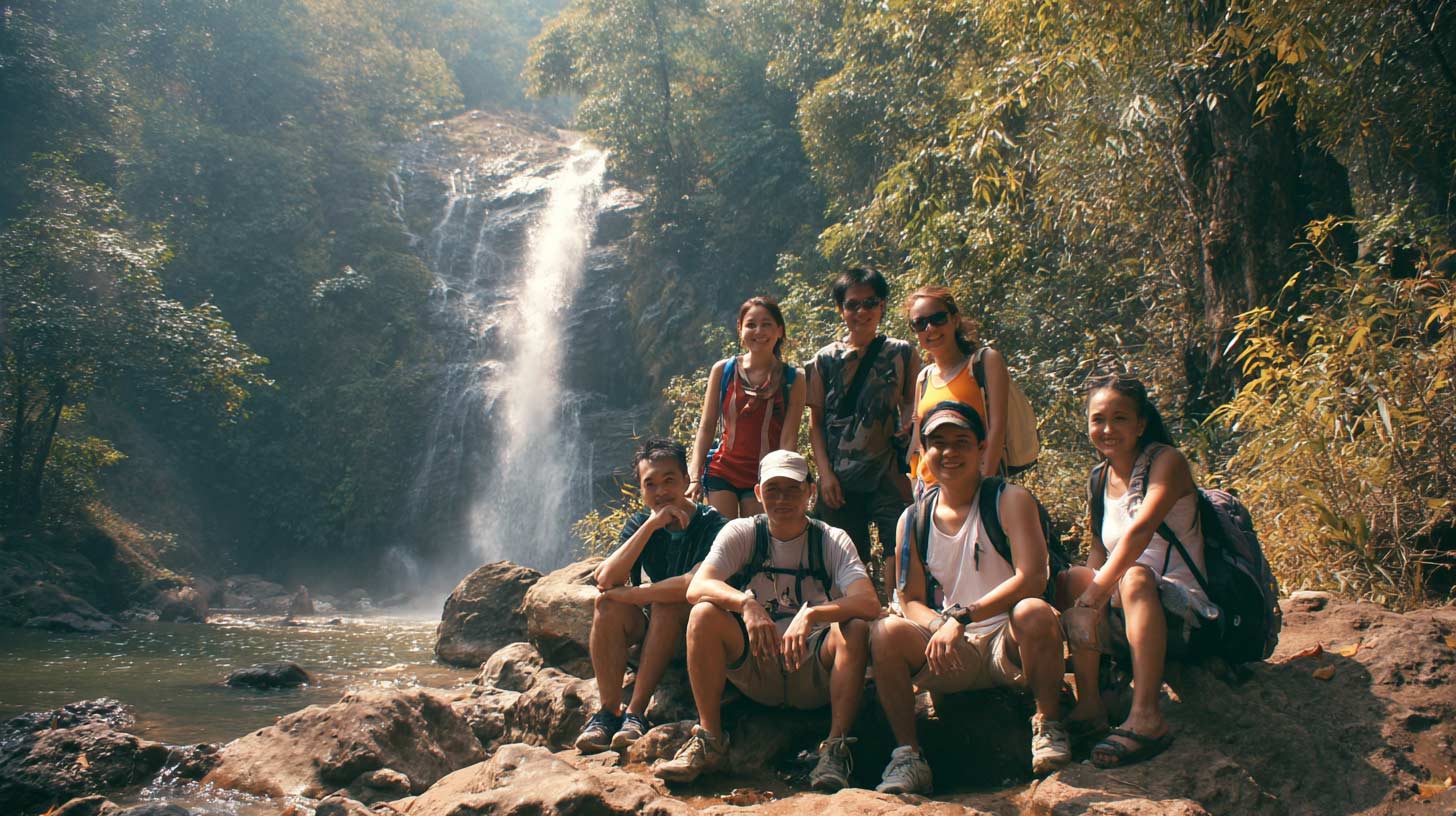
Nearby lies Sri Sangwan Waterfall, a multi-tiered cascade that flows through forested slopes. The water is refreshingly cool, providing a perfect contrast to the heat of the springs. Visiting both in one day reveals the dual nature of Chiang Dao’s environment: calming and restorative, yet invigorating and fresh.
The area’s ecological importance was recognized in 2021, when Doi Chiang Dao was designated a UNESCO Biosphere Reserve. The designation highlights the region’s biodiversity, which includes rare bird species such as the giant nuthatch and an abundance of butterflies that flutter along hiking trails.
Hiking Into the Mist
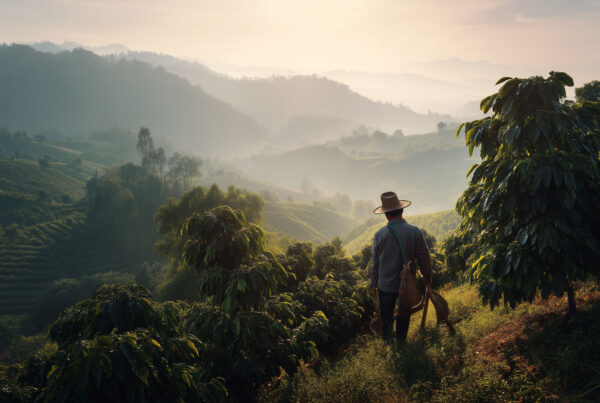
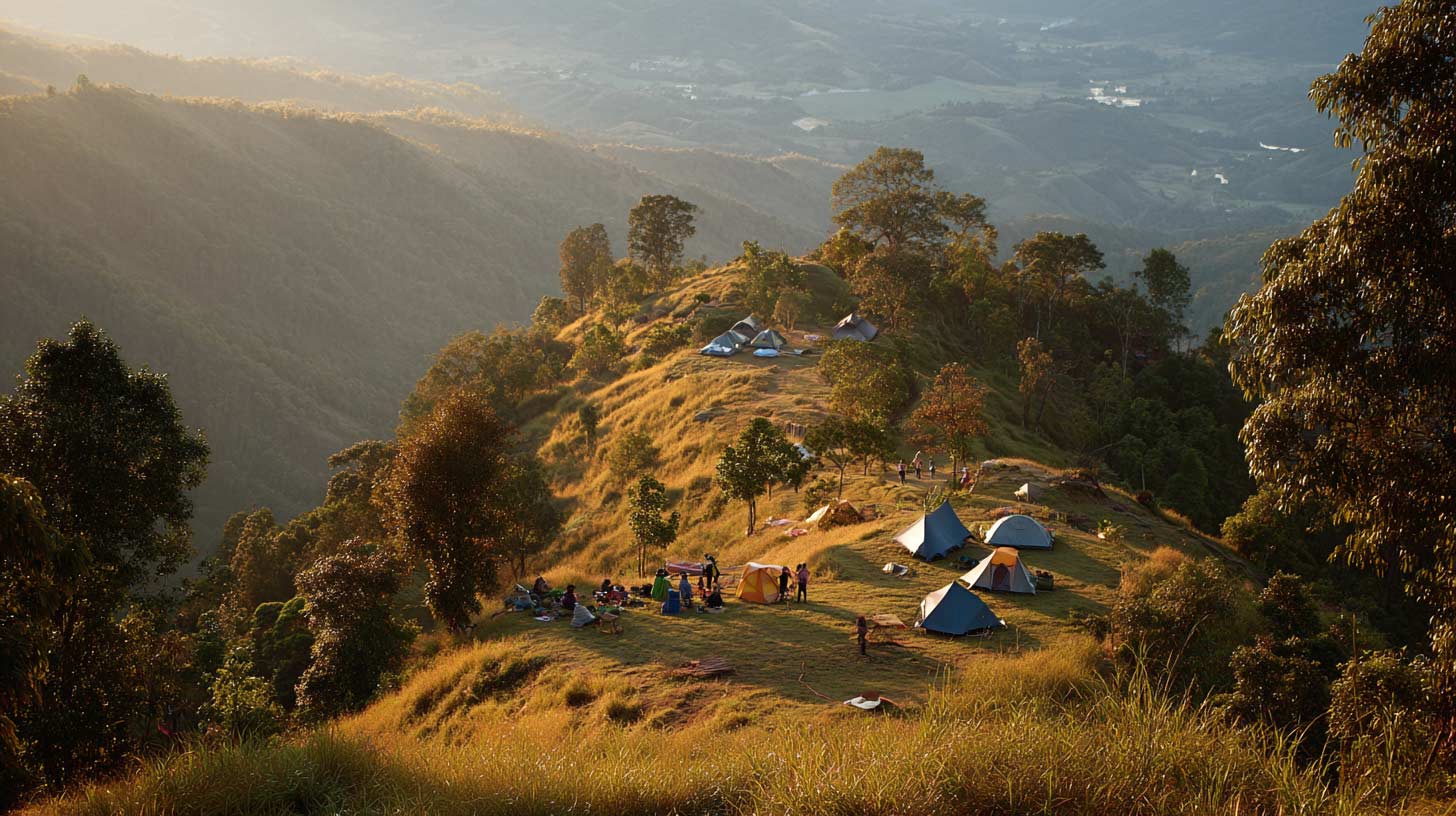
For those drawn to mountain landscapes, hiking is a highlight of Chiang Dao. Early mornings are especially rewarding. A climb to Den Ya Kat viewpoint offers a panoramic view of the valley below, often covered by a sea of mist. As the sun rises, golden light cuts through the fog, revealing peaks and ridges stretching into the distance.
Another experience that combines physical effort with spiritual calm is a visit to Wat Tham Pha Plong. This forest temple is reached by a staircase of 500 steps that winds through dense greenery. Along the way, signs display Buddhist teachings, encouraging quiet reflection as the climb progresses. At the top, the temple itself is partly set into a cave, blending natural stone with human devotion. From its terraces, views of the surrounding forest create an atmosphere of deep tranquility.
The Mysteries of Chiang Dao Cave
At the base of Doi Luang Chiang Dao lies one of the region’s most remarkable landmarks: Chiang Dao Cave. Extending deep into the mountain, the cave system is a labyrinth of chambers adorned with stalactites and stalagmites. Some areas are illuminated for easy access, while others require a local guide with a lantern.
Exploring the cave is both physical and spiritual. Within its darkness are shrines dedicated to the Buddha, and local legends tell of hermits and monks who once meditated here. The silence inside the cave feels profound, broken only by the occasional drip of water echoing through chambers. For many visitors, it is a reminder of the ways in which natural wonders and spiritual practice intersect in Northern Thailand.
A Festival Beneath the Stars
Chiang Dao is also home to cultural creativity that thrives outside mainstream tourism. One such example is the Double Dick Tiger music festival, held in Pa Tum Ngam Village. Unlike large-scale festivals, this event is intimate and deeply connected to its community.
Set in rice fields beneath clear night skies, the festival combines music, art, and cultural exchange. Local residents, including members of the Karen hill tribe, collaborate with artists and musicians to create an inclusive atmosphere. Performances range from traditional sounds to modern experimental music, while food stalls offer regional specialties.
A highlight of the event is the ritual burning of a bamboo effigy, a symbolic act that represents renewal and unity. Gathered under the stars, participants share an evening that blends creativity, tradition, and a sense of belonging. For visitors, it provides a unique window into the evolving cultural landscape of Northern Thailand.
More northern routes
Reflections on Chiang Dao
Leaving Chiang Dao often brings a sense of calm rather than regret, because the memories formed here are vivid and lasting. The town offers a rare balance of natural beauty and cultural depth, without the crowds that often accompany more famous destinations.
From the healing waters of hot springs to the quiet steps of a forest temple, from the mysteries of caves to the vibrancy of a local festival, Chiang Dao presents a full spectrum of experiences. It is a place where nature and culture remain intertwined, where traditions are preserved yet open to creative reinterpretation.
For those who seek to understand the essence of Northern Thailand, Chiang Dao lives up to its reputation as the City of Stars. Beneath its starlit skies, travelers discover not only landscapes and landmarks but also the rhythm of a community that values harmony, reflection, and connection.